
-

Marine Corps Flag
$43.50Proudly display your unwavering support for the US Marines by flying a high-quality, American-made USMC flag! Whether you're a Marine, a veteran, or simply a proud supporter, these flags are perfect for flying outside homes, businesses, or even on... -

Navy Flag
$43.50Show your support for America’s naval forces with a premium U.S. Navy flag, ideal for gifting to veterans and service members or flying at your home or business. Our United States Navy flags are manufactured in the USA in a variety of sizes, from... -
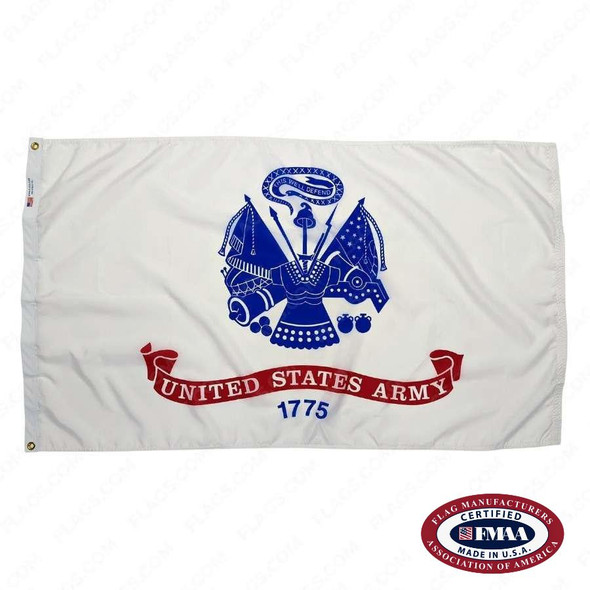
Army Flag
$43.50Celebrate America’s oldest military branch by flying an authentic Army flag. Our US Army flags are proudly made in the United States using your choice of high-quality nylon or polyester material. The branch seal is digitally printed on our... -
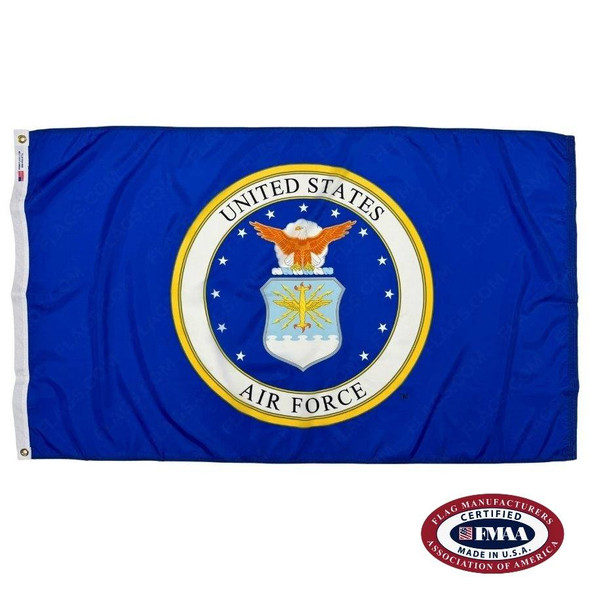
Air Force Flag
$43.50Are you an Air Force service member, relative, or fan? Fly the official flag of the US Air Force to show your support and pride for this branch's commitment to protecting our great nation. Our American-made USAF Flag features a deep blue... -

Coast Guard Flag
$43.50Proudly proclaim your service as a Coastie by flying the official US Coast Guard flag! Coasties are, as the slogan says, always ready. They protect our coastlines, patrol our waters, and perform dangerous search and rescue missions. We are proud to offer... -

Space Force Flag
$56.50The United States Space Force has been a branch of the US Armed Forces since December 2019. Celebrate American innovation and military prowess with our official Space Force flag. Crafted from premium 200-denier nylon, this flag is perfect for both... -
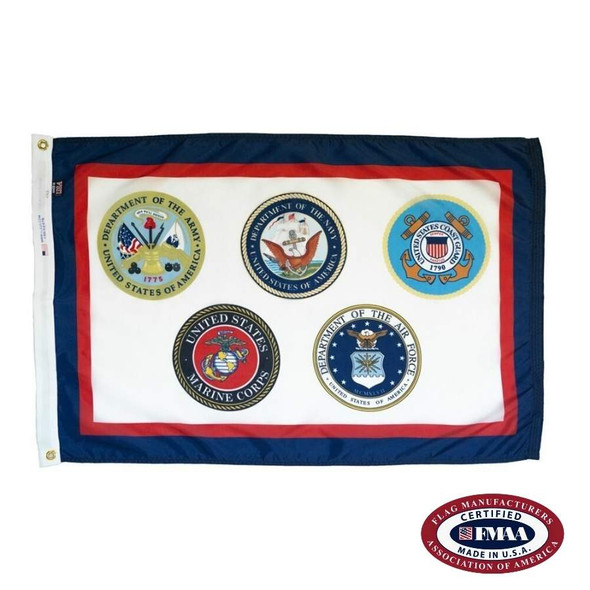
US Armed Forces 5 Emblem Flag
$66.50Represent each branch of America’s military with our US Armed Forces 5 Emblem Flag! This flag features the seals of the Army, Navy, Coast Guard, Marine Corps, and Air Force on one banner. This US Armed Forces flag is made in America from... -
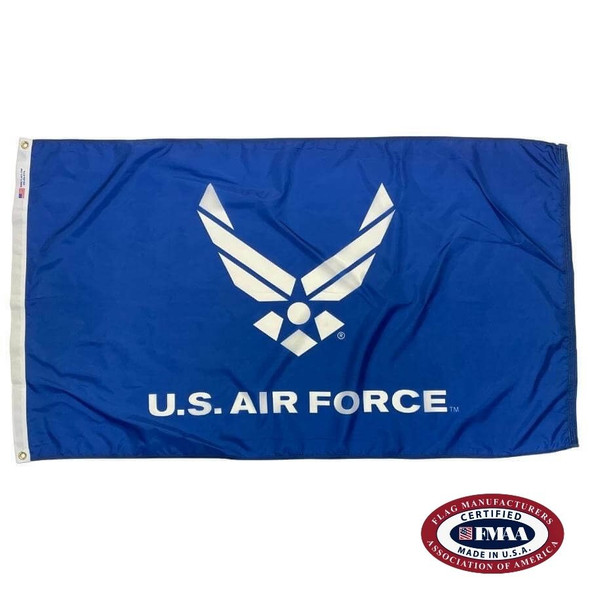
Air Force Wings Flag
$47.90Proudly represent the United States Air Force in front of your home, business, or military base with the iconic Air Force Wings flag! Our US Air Force Wings flag is made in the USA from nylon, a durable and lightweight fabric that can fly regally in... -

Army Strong Flag
$54.90Show what makes you Army Strong with this American-made Army Strong flag! This Army Strong flag is perfect for showing your allegiance, proudly displaying your service, or supporting the service of loved ones. Hang it in a home, dorm room, business, mess... -

Merchant Marine Flag
$54.50Our lightweight nylon Merchant Marine flags are designed to fly in the lightest of winds. These flags are both weather and fade-resistant to better withstand outdoor elements. This Merchant Mariner flag comes equipped with a strong canvas heading and... -

Marine Corps Garden Flag
$16.50Semper Fi! Display your respect for the “Always Faithful” with this US Marine Corps Garden flag. This American-made flag is designed with top-quality polyester material that has stand-out vibrancy. Features 13” x 18” - fits... -

Navy Garden Flag
$16.50Pay your respects to the “Always Courageous” with this US Navy Garden Flag. Made with sturdy polyester material, this garden flag pairs perfectly with any standard garden flagpole. Features: Made In The United States Of America -... -

Army National Guard Flag
$57.50Show your support for the US Armed Forces’ reverses with our USA-made Army National Guard flag! Our Army National Guard flags are manufactured in the USA from nylon, a sturdy and weather-resistant fabric designed for outdoor flying. The... -

Army Garden Flag
$16.50Show your military pride with this United States Army Garden Flag. Our Army flag is made in America with a fade and weather-resistant polyester material. Pair it with any standard garden flagpole to add the perfect décor to your yard or garden... -

Air Force Garden Flag
$16.50Show your support for the United States Air Force soldiers with this Air Force Garden Flag. Made to be both weather and fade-resistant, this flag is the ideal decoration for any yard or garden. These US Air Force Flags come equipped with a pole sleeve... -

Semper Fi Flag
$52.90Stepping into battle and fighting for American freedom is no easy task. Veterans, families of veterans, and all other Americans value what the Marine Corps has done for this country. We can honor the service, tradition, and sacrifice of the Marine Corps... -

Air National Guard Flag
$57.50Proudly display the symbols of the Air National Guard with this American-made full-size flag! Our Air National Guard flags are made from 100% nylon, a weather- and fade-resistant material. Nylon is a lightweight fabric, allowing it to fly easily and dry... -

Coast Guard Garden Flag
$16.50Semper Paratus! Be ready to show your respect for the United States Coast Guard with this Coast Guard Garden Flag. These resilient flags are designed with mother nature in mind so that you can choose whether to use them for indoor or outdoor settings... -

Space Force Garden Flag
$16.50Display your admiration for the United States Space Force with this decorative garden flag. These flags are made in the USA with high quality polyester fabric for extra durability. Made to be weather and UV-resistant, these Space Force flags are a great... -
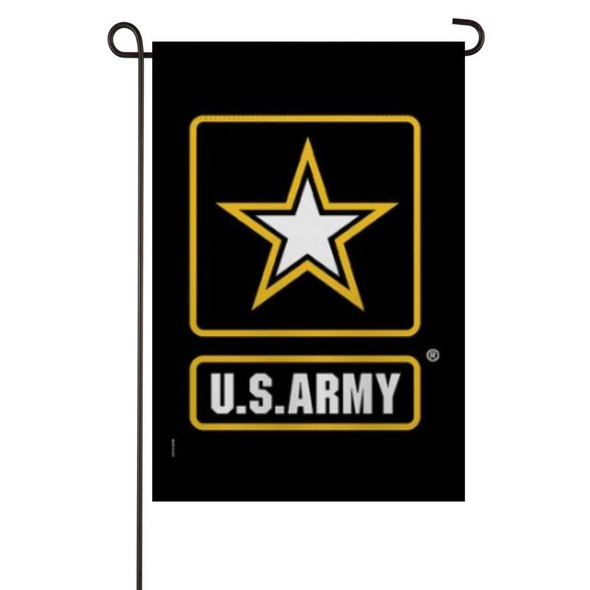
Army Star Garden Flag
$16.50Display your appreciation for our nation’s troops and American manufacturing with an American-made US Army garden flag! This 13” x 18” flag features the official Army Star insignia on polyester, a heavy-duty material well suited for... -

My Soldier Garden Flag
$14.50Celebrate your love and pride with the My Soldier Garden Flag. This heartfelt design features the message, "The military has my soldier, but I have his heart!" alongside a column of hearts. This flag is a great way to express your support and affection... -

Space Force House Flag
$29.50Show admiration for the United States Space Force with this decorative house flag. These Space Force flags are made in America with high-quality polyester fabric that is both weather and fade resistant. Use the pole sleeve to easily hang this flag on a... -
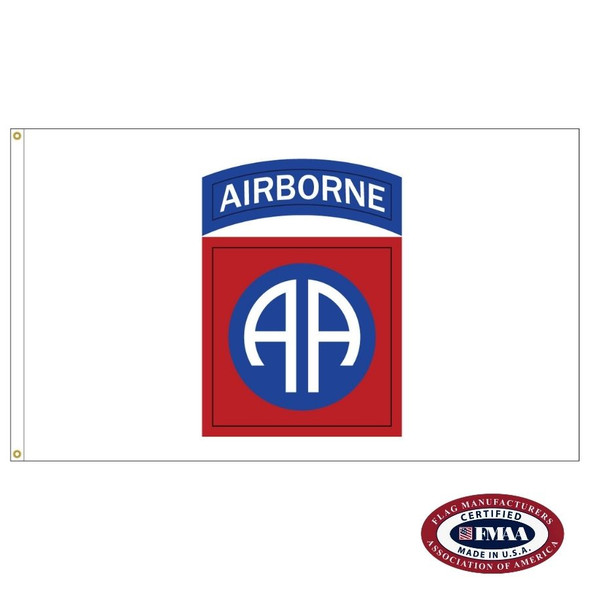
82nd Airborne Flag
$49.50Represent your membership in the US Army’s 82nd Airborne Division by flying the division flag outside your home! Our 82nd Airborne flag is made in the United States from nylon, a tough and durable fabric designed for weather resistance. Nylon is... -
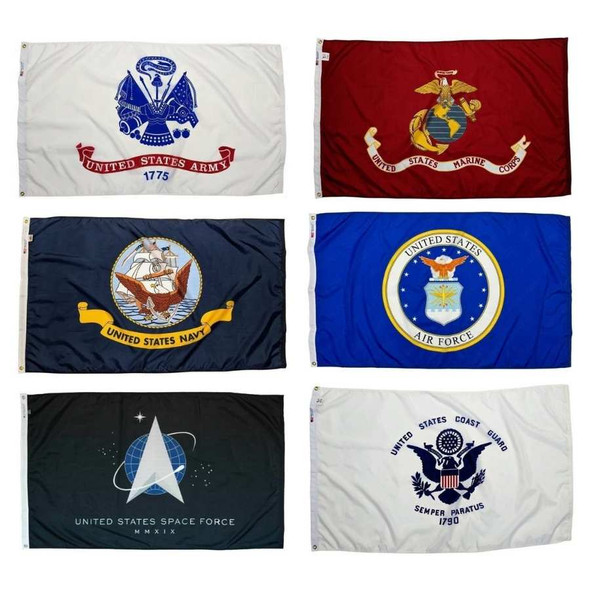
Outdoor Armed Forces 6 Flag Collection
$288.50Fly all of the official branch flags of the US Armed Forces with our outdoor flag set! This military flag set includes the flags for the Army, Marine Corps, Navy, Air Force, Space Force, and Coast Guard. Each flag in this set is manufactured in the... -

US Armed Forces 6 Emblem Flag
$73.90Show your support for all six branches of the military with our US Armed Forces 6 Emblem Flag! This design is an updated version of our 5 Emblem Flag in honor of the creation of the Space Force. Our United States Armed Forces flag now bears the seals of... -

Airborne Flag
$49.50Proudly display your service as part of the 82nd or 101st Airborne Divisions with our premium, American-made Airborne flag! Each flag is manufactured from nylon, a lightweight fabric that flies easily in gentle breezes. Nylon’s lightness allows it... -

101st Airborne Flag
$49.50Honor your service or that of a loved one by flying our 101st Airborne Division flag! The 101st Airborne flag is manufactured in the USA using premium nylon fabric, a durable material designed for outdoor display. The iconic eagle design is digitally... -
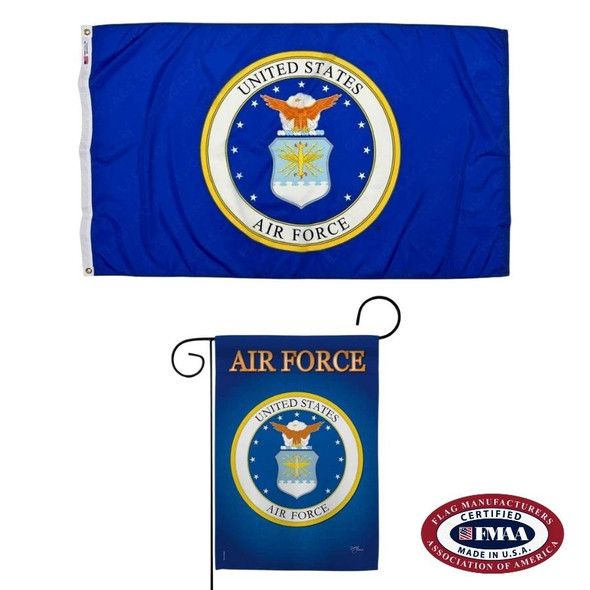
Air Force Flag and Garden Flag Set
$56.90Complete your home’s flag display setup with our Air Force flag bundle, which combines our popular 3’ by 5’ outdoor Air Force flag with a matching garden flag! This set is a great choice for flying in your garden, yard, or in front of... -

Vietnam Insignia Flag
$49.50Honor the service of a friend or family member by gifting them a high-quality, American-made Vietnam Insignia flag! Our Vietnam War veteran flags are proudly manufactured in the USA from nylon, a durable fabric designed for weather resistance. Nylon is... -
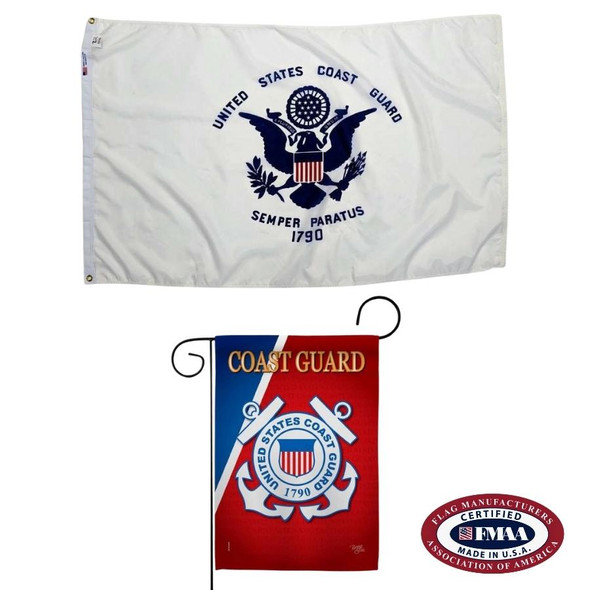
Coast Guard Flag and Garden Flag Set
$56.90Honor your service or that of a loved one with our Coast Guard flag bundle! This kit includes both our outdoor Coast Guard flag in the standard size of 3’ by 5’, and a garden flag representing the branch. Fly the entire set in front of your... -

Navy Flag and Garden Flag Set
$56.90Show your pride in the United States Navy by flying a full-sized branch flag and garden flag outside your home! Our Navy flag bundle includes the 3’ by 5’ version of our outdoor Navy flag and our Navy garden flag. Display these flags across... -
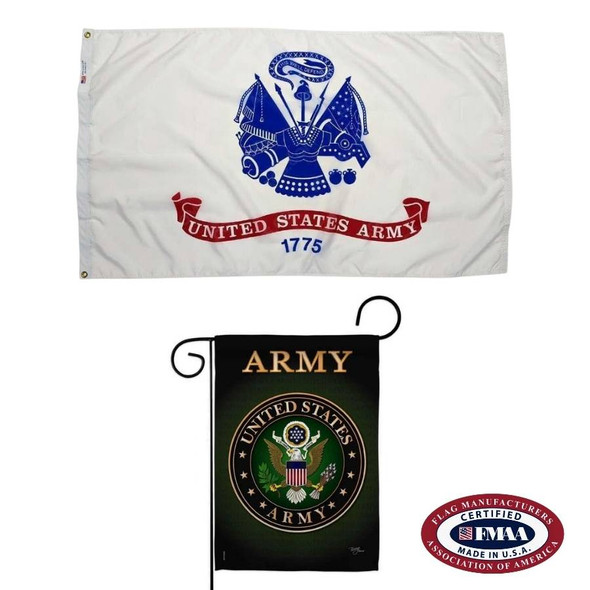
Army Flag and Garden Flag Set
$56.90Set up a striking display honoring the US Army outside your home with our Army flag bundle! This set combines our popular 3’ by 5’ sized outdoor Army flag with our Army garden flag. Both flags are proudly made in the USA out of high-quality... -
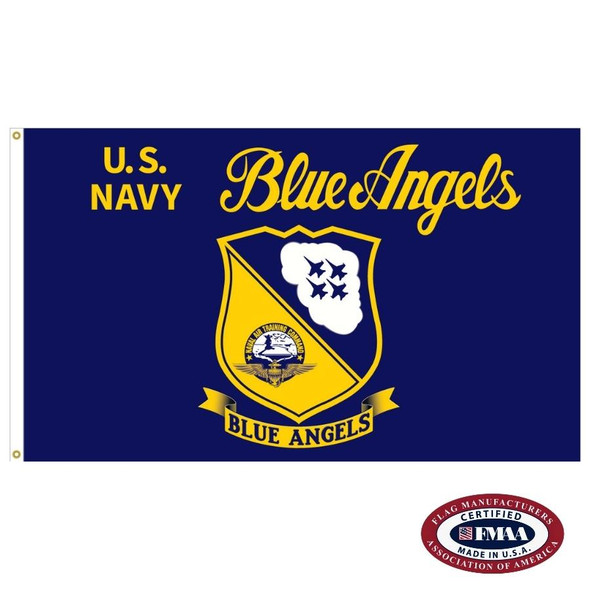
Blue Angels Flag
$49.50Celebrate your favorite Blue Angel by gifting them a high-quality flag, proudly made in the United States! Our US Navy Blue Angels flag is constructed out of 100% nylon fabric, a tough and weather-resistant material designed for outdoor flying. The blue... -

1st Cavalry Division Flag
$49.50Proudly display your service as part of the 1st Cavalry Division with a flag bearing the team’s insignia! This flag also makes an excellent gift for friends or family who have served. Each 1st Cavalry flag is manufactured in the United States from...