
-

Gadsden Flag
$64.50Our Gadsden flags are proudly made in the United States from 100% nylon, a lightweight fabric that flies regally, even in gentle breezes. The iconic rattlesnake emblem and text are digitally printed for intricate details and bold, vibrant colors. The... -

Betsy Ross Flag
$61.00Celebrate the founding of our nation by flying the first American flag—the Betsy Ross flag, proudly made in the USA! Our Betsy Ross flags are manufactured using the traditional method of sewn stripes, meaning that the red and white stripes are cut... -
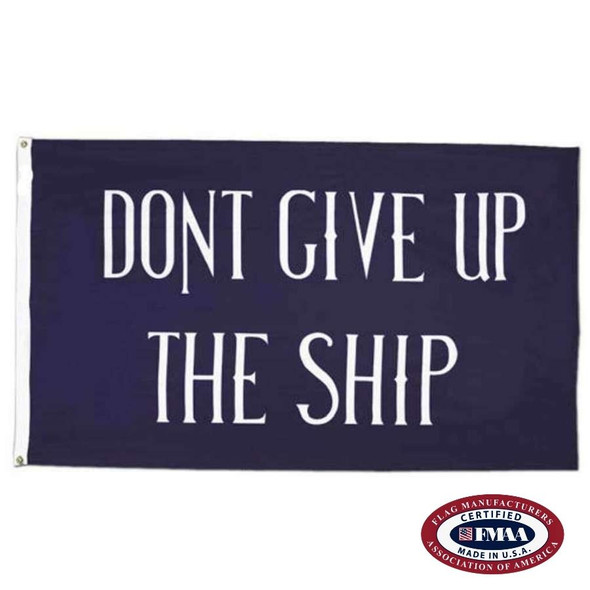
Commodore Perry - Don't Give Up The Ship! Flag
$70.50“Don’t Give Up the Ship!” This dramatic rallying cry was reportedly the last utterance of Captain James Lawrence as he lay dying aboard the US frigate Chesapeake. Own this incredible piece of history today with your own Don't Give Up... -
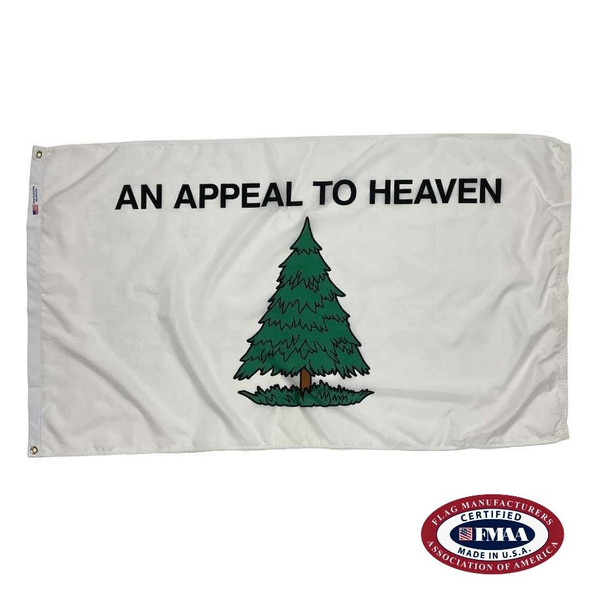
Washington Cruisers Flag
$69.00Our Washington Cruisers flag is an authentic replica of the exact same flag that our first president, George Washington, commissioned for his small navy during the early days of the American Revolutionary War. Celebrate America’s greatest Founding... -

First Navy Jack Flag
$68.70Own a piece of American history with our US-made First US Navy Jack flag! This iconic American historical flag is deeply rooted in Revolutionary history, representing a symbol of independence and resistance to tyranny. Fly the First Navy Jack flag as... -

Bennington Flag
$68.50Add a piece of American history to your collection with our Battle of Bennington flag! Our Bennington flags are proudly manufactured in the United States. The red, white, and blue design is digitally printed with UV-resistant inks for bright, vibrant... -
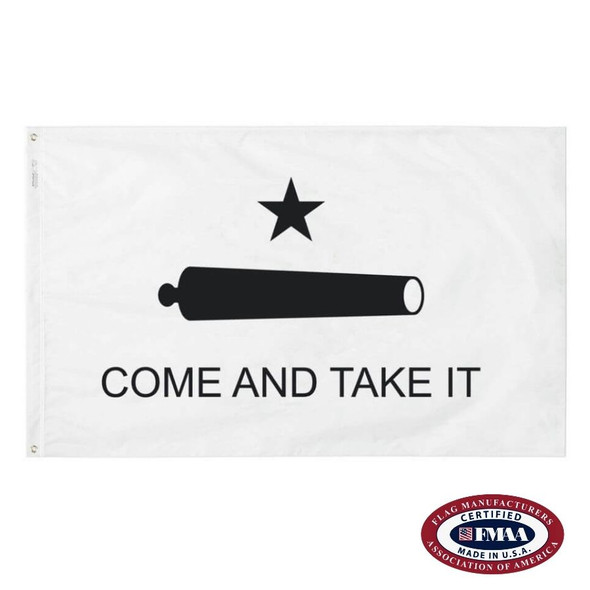
Come & Take It Flag
$68.70The Come & Take It flag holds a special place in Texan history, as it was flown at the first land battle of the Texas Revolution, also known as the Battle of Gonzales. Own a piece of American history with a replica of this iconic flag! Come &... -
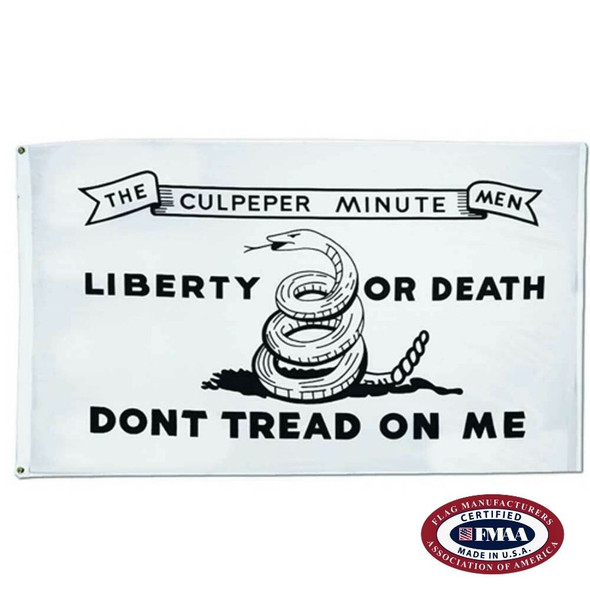
Culpeper Flag
$64.50Bearing the iconic symbol of the rattlesnake and not one but two famous revolutionary slogans (”Don’t Tread on Me” and “Liberty or Death”), the Culpeper flag was the official flag of the Culpeper Minutemen, a small and... -

Sons of Liberty Flag
$69.00The Sons of Liberty have been known as the original American Patriots. Some of America's Founding Fathers worked with the Sons of Liberty, and the organization is best known for its involvement in the Boston Tea Party. Their flag became as iconic as they... -

Continental Flag
$67.00Honor our American past with the historically accurate Continental Flag that flew at the Battle of Bunker Hill. These American-made flags are made of premium nylon material that is durable and UV-resistant. Pair it with a free-spinning flagpole to keep... -

Grand Union Flag
$67.50Celebrate the beginnings of the United States with our Grand Union flag, also known as the first “official” American flag. This flag is produced in the USA using nylon, a durable and tough fabric built for extended outdoor use. The... -

Bedford Flag
$68.50As the legend goes, the Bedford flag was carried into the first battle of the American Revolution by the Bedford Minuteman, Nathaniel Page. The Bedford, Massachusetts resident proudly carried this flag into the Battle of Lexington & Concord in 1775... -

Star Spangled Banner Flag
$99.50Create a striking historical display featuring the star-spangled banner that was waving over Fort McHenry when the British Navy attacked, inspiring the imprisoned Francis Scott Key to write the National Anthem! This 15-star American flag is constructed... -

Fort Moultrie Flag
$69.00Add a piece of American history to your collection with the iconic Fort Moultrie flag, a symbol of resilience and patriotism dating back to the Revolutionary War! Our Liberty flags are produced in the USA using 100% nylon, a lightweight and... -

Bunker Hill Flag
$69.00Our Bunker Hills flags are produced in the United States from 100% nylon, a lightweight fabric that flies regally, even in gentle breezes. The flag’s design is digitally printed for intricate details and bold, rich colors. The inks used in the... -

Raven Flag
$69.00A raven flag similar to this one could have been the first flag flown by Europeans over American soil. Own a piece of early American history with this high-quality American-made Raven flag! OUR RAVEN FLAG FEATURES Our replica Nordic Raven Flag is made... -

Green Mountain Boys Flag
$67.00Are you a part of the Vermont National Guard or simply a fan of the state’s history? Show off your pride with a Green Mountain Boys flag! This 3’ x 5’ banner is made in America of high-quality nylon, making it sturdy yet lightweight... -
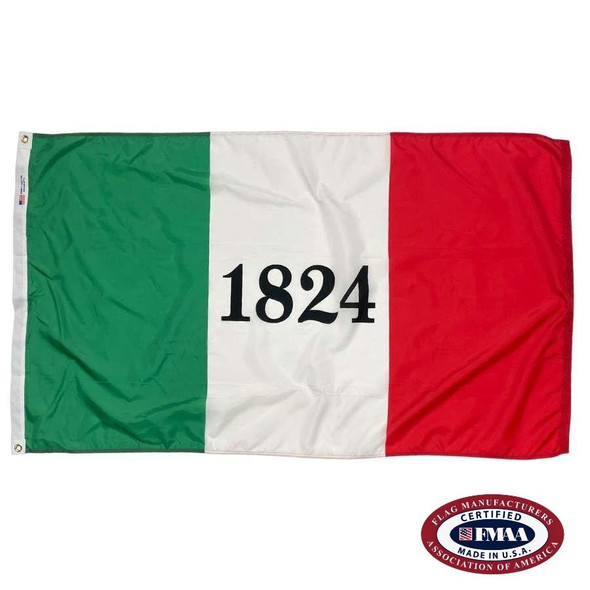
Alamo Flag
$69.00Remember the Alamo? This battle of the Alamo flag is a precise replica of the banner representing the Texans garrisoned in the Alamo Mission house during the battle of 1836. Made in America from 100% high-quality nylon, this Alamo battle flag... -

Taunton Flag
$67.00Our Taunton flag is produced in the USA using premium nylon fabric, a lightweight and durable material designed for outdoor flying. The red background, canton, and text are added using precision digital printing technology for accuracy and vivid colors... -
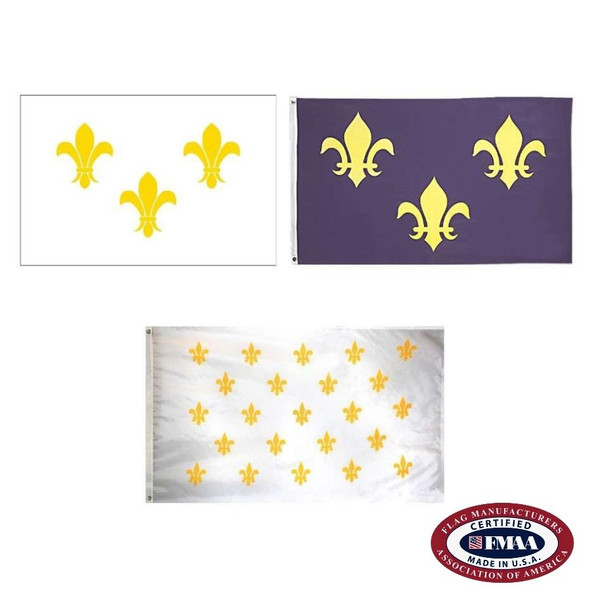
Fleur-de-lis Flag
$67.00The fleur-de-lis (or “lily flower” in French) is one of the oldest and most popular symbols seen on flags today, dating back to the French revolution. Today the French Fleur-de-lis flag is flown around the globe and commonly used in Mardis... -
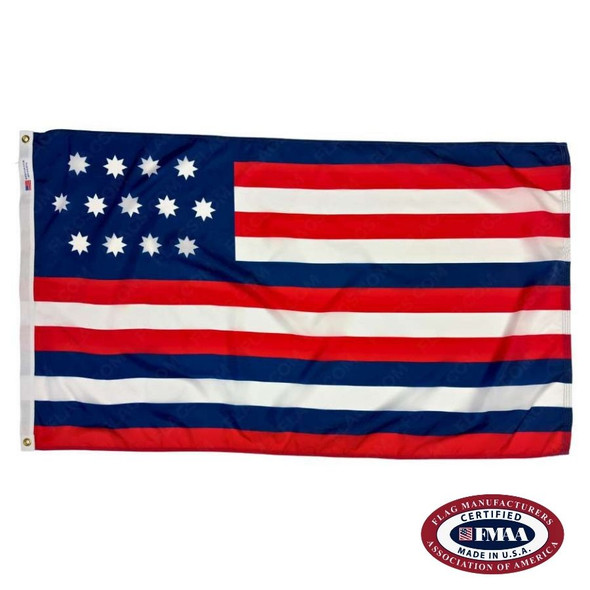
Serapis Flag
$67.00The Serapis flag is made in the USA from nylon, a tough and weather-resistant fabric. Nylon is lightweight, meaning it dries quickly after contact with water, helping prevent mildew growth. The unique red, white, and blue design is digitally printed for... -
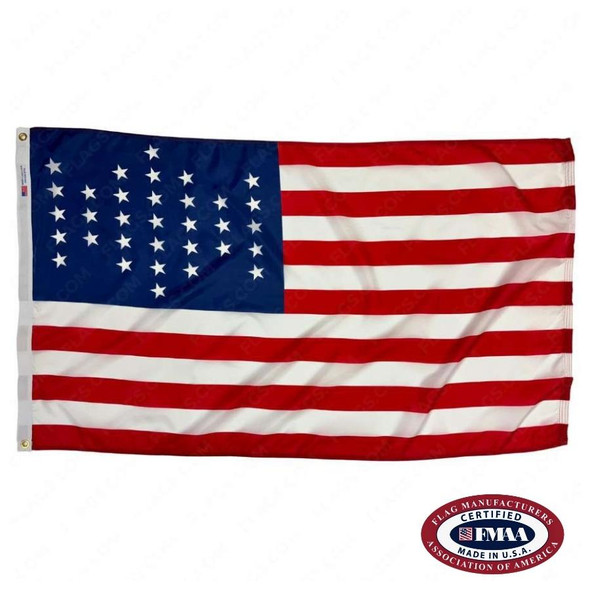
Union Civil War Flag
$67.00This American Civil War Union flag is constructed in the USA using high-quality nylon, a weather-resistant fabric that dries quickly, helping prevent mildew growth after rain. The stars and stripes design is digitally printed for accuracy and bright,... -
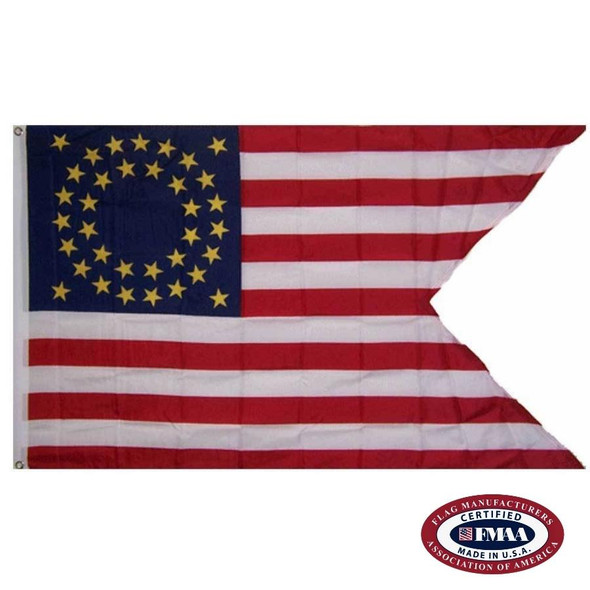
Cavalry Guidon Flag
$67.00The perfect addition to you American Historical Flags Collection. This Cavalry Guidon flag is a reproduction of the flag carried by the 7th Cavalry at the Battle of Little Big Horn - better known as Custer’s Last Stand. Like the original, our 7th... -

Evolution of Old Glory Flags
$104.50The American flag has undergone many changes throughout its lifetime, marking the growth of the Union through the addition of stars to the canton for each new state. Represent any time period from 1777 all the way to 1960 by flying a historical American... -

Gadsden Garden Flag
$14.50Inspire rugged American patriotism in your neighborhood with the Gadsden garden flag! This decorative banner's design is a symbol of vigilance and a determination to act in defense against compulsion. As a result, it has come to be associated with... -

Pine Tree Flag
$69.00Commemorate the United States' founding in New England with this historical Pine Tree Flag! This simple pine tree design was one of the first flags used since the 1600s to represent the British Colonies, especially Massachusetts. The pine tree flag is... -
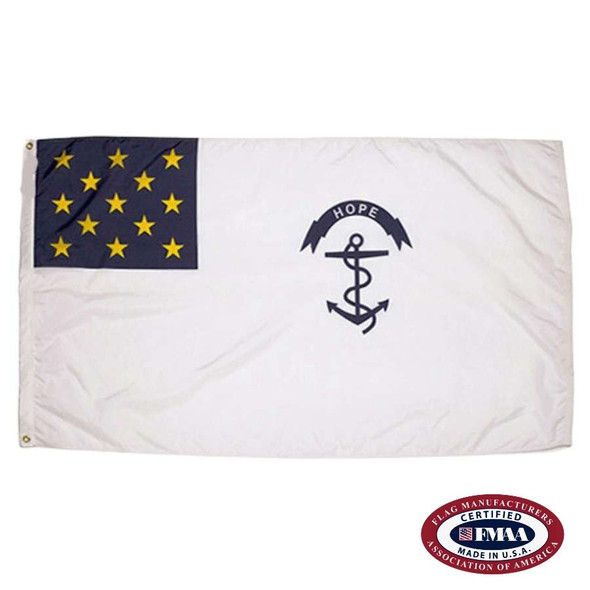
Rhode Island Regiment Flag
$68.50Stand out from your neighbors by flying the banner that inspired Rhode Island’s modern state flag! This flag was used by the 2nd Rhode Island Regiment, a force of volunteers that served during the Siege of Boston at the beginning of the... -

British Red Ensign Flag
$67.00Celebrate the early days of the USA with the British Red Ensign, also known as the Red Duster, which was one of the first flags flown by the Thirteen Colonies. The Red Ensign is today used by British civilian vessels, but was used by the British and... -

Betsy Ross Vintage Garden Flag
$14.50Create a patriotic display in your yard or garden with our Betsy Ross Vintage Garden Flag! This flag is a great choice for celebrating Flag Day or the Fourth of July, or for year-round use in honor of America's early years as an independent nation... -

Kings Colors Flag
$67.00Following King James I's union of England and Scotland, their flags were combined to form the first flag of Great Britain. This flag would have been the first British flag to appear in the Thirteen Colonies and fly from their ships. With a King's Colors... -
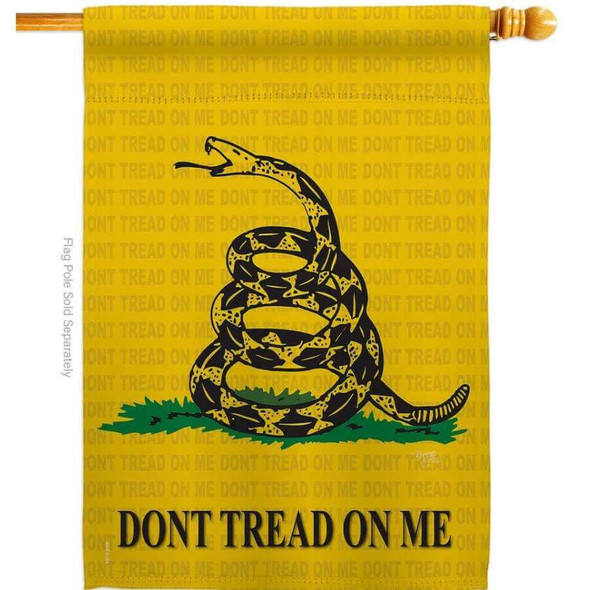
Gadsden House Flag
$24.50The Gadsden house flag is a historical decoration that instills a strong sense of American patriotism! The iconic artwork is re-created on this decorative banner and will stand out on your wall-mounted flagpole. Both durable and smooth-textured, this... -

Philadelphia Light Horse Flag
$77.50Show your interest in the early history of the American military or celebrate the continuous service of one of the longest-running US military units with our Philadelphia Light Horse Troop flag! This flag is made in the USA from nylon, a tough and... -
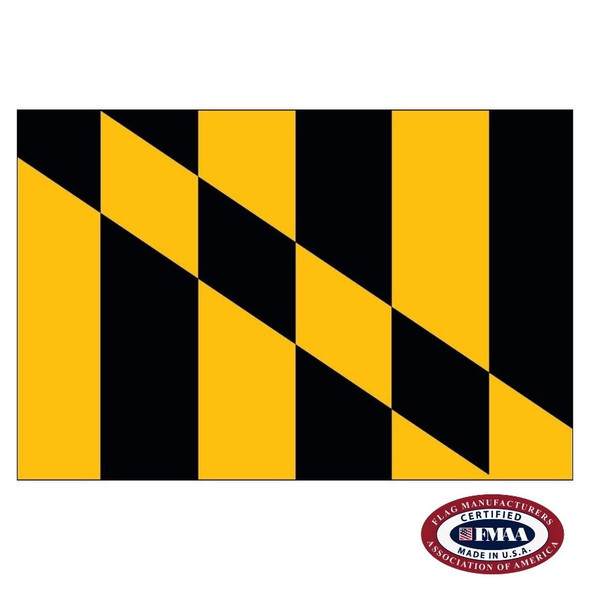
Lord Baltimore Flag
$67.00Celebrate the early history of Maryland with a flag based on the banner of arms used by the Barons of Baltimore! Our Lord Baltimore flag is skillfully crafted in the United States from nylon, a durable and weather-resistant fabric. The iconic gold... -
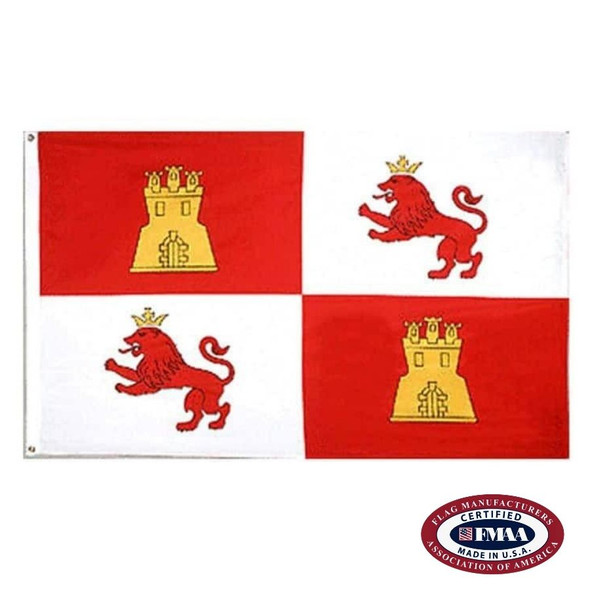
Royal Standard of Spain Flag
$69.00Proudly represent the autonomous community of Castile and León with a regional flag that dates back to the 14th century. The flag of Castile and León was flying on the Niña, Pinta, and Santa María when Christopher Columbus... -

Betsy Ross Garden Flag
$14.50Celebrate American history with our Betsy Ross Garden Flag, a timeless tribute to our nation’s origins. Featuring the iconic 13-star circle design, this flag symbolizes American independence and patriotism. Add some red, white, and blue hues to...